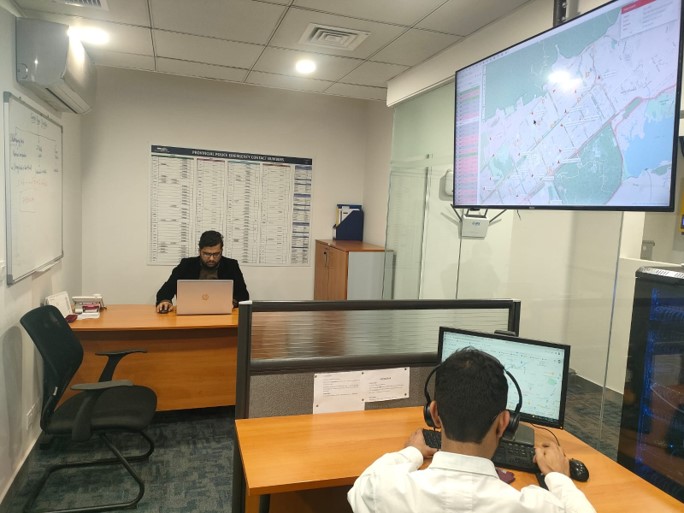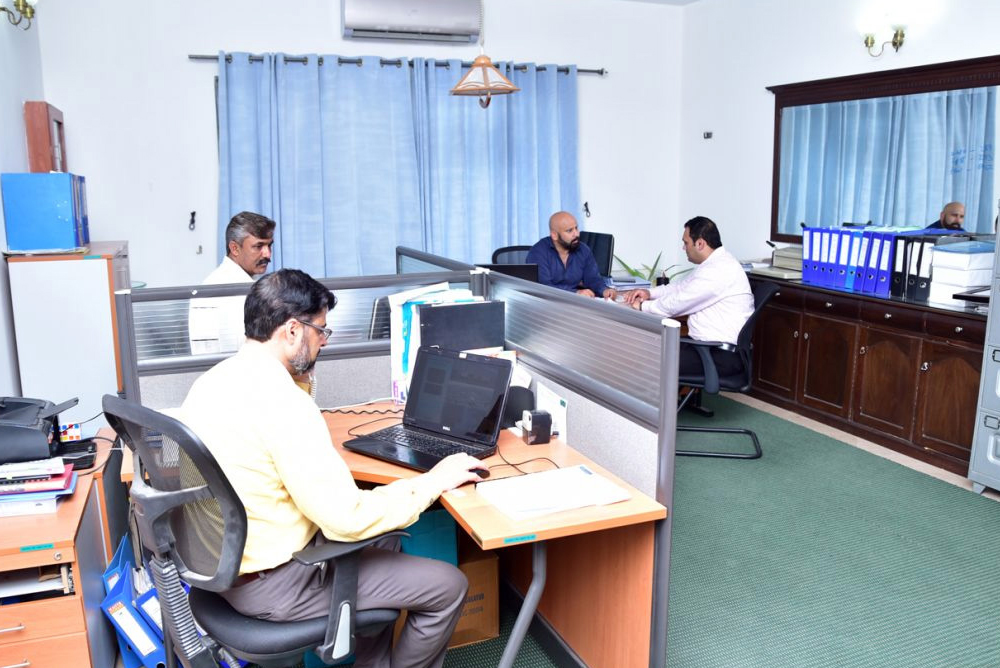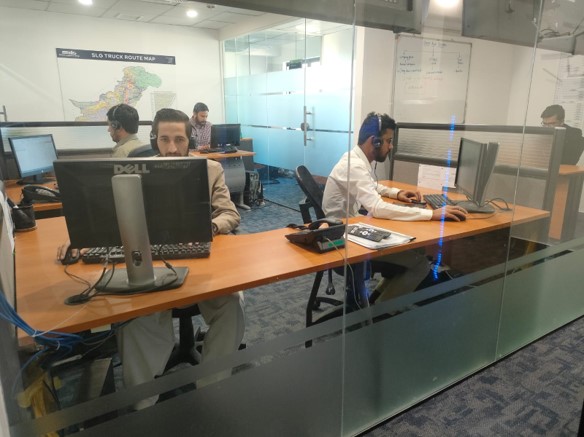
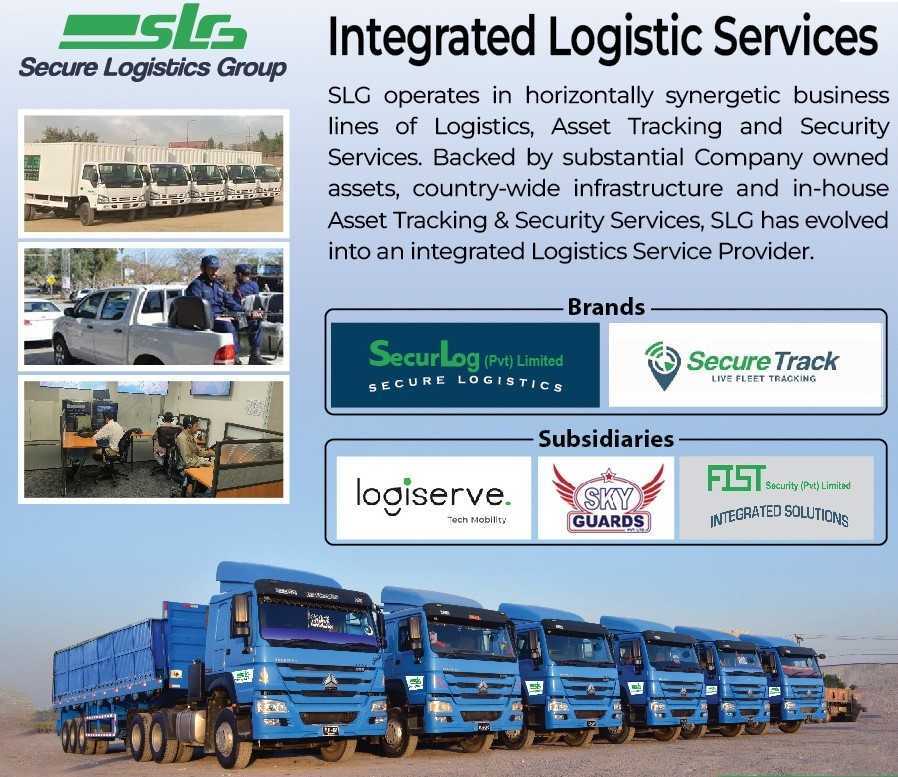
Unparalleled Logistics, Asset Tracking and Security Services under one window operation.
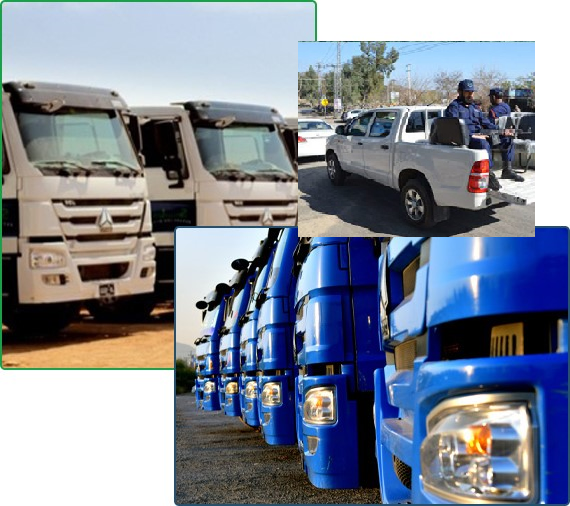
SLGTrax has been rendering a broad array of solutions specializing in Logistics and Vehicle Fleet Management Services across the country... (Read More)
Understanding is essential for anyone looking to emulate Nintendo 3DS games with high performance and enhanced visuals. This guide covers how shaders work in the Citra emulator, how to optimize them for smoother gameplay, and how to use custom post-processing effects to transform your gaming experience. 1. What Are Citra Shaders?
: Citra uses a shader cache to store compiled shaders for instant access. Once a shader variant (like a special move or environmental effect) has been encountered and cached, subsequent instances will run smoothly without stutter. citra shader
The 3DS library is full of masterpieces, and shaders are the best way to ensure they look as good as they play. Don't be afraid to experiment—mix and match different internal resolutions with various post-processing filters until you find your perfect "look." Understanding is essential for anyone looking to emulate
Open Citra (often specifically the MMJ or enhanced builds), navigate to Post-processing Shaders in the settings, and select the desired filter [21]. For PC users, you can use What Are Citra Shaders
Many early 3DS games didn’t use programmable shaders at all; they used TEV – a configurable texture combiner pipeline. Citra converts TEV states into equivalent fragment shader code dynamically.
If you experience glitchy or missing text (common in Pokémon games), try disabling "Hardware Shader" in the advanced graphics settings or switching to the Vulkan API 3. Enhanced Textures vs. Shaders While often confused, custom textures
If you miss the physical look of the 3DS screen, LCD shaders can simulate the sub-pixel grid, making the emulation feel less like a "PC port" and more like the original hardware. Popular Shaders to Try
With the latest tech integrated into every aspect of our operations, we provide only the cutting edge of the E-commerce industry.




Drop an email or visit your nearest Trax office and get your queries answered.





 SecurLog (Traditional Logistics)
 LogiServe (Tech Logistics)
 Secure Track SecureTrack focuses on
providing Advance Fleet Management solutions...
Secure Track SecureTrack focuses on
providing Advance Fleet Management solutions...  Fist Security & Sky Guard Fist Security and Sky Guard: Security Services Static Guarding,
Close Protection, Provision of Security Equipment...
Fist Security & Sky Guard Fist Security and Sky Guard: Security Services Static Guarding,
Close Protection, Provision of Security Equipment...