The Third Way Of Love Mongol Heleer [best] Access

If you meant something else (e.g., a book with a similar title, or a translation request), please clarify and I will gladly help further.

Heleer represents a "third way" of love, distinct from the passionate romance often associated with Western notions of love (Eros) and the familial or familial love (Agape). This third way is not about sacrificing one's individuality or desires, but about cultivating a deeper connection with another person. Heleer acknowledges that love is not always easy or exciting, but rather a choice to commit to another person and build a life together. The Third Way Of Love Mongol Heleer

In that moment, Tumen Ekh understood the Third Way of Love. It was not about conquest or submission, but about becoming one with the universe, and with each other. It was about transcending the boundaries of self and other, like the threads of a Heleer merging into a seamless fabric. If you meant something else (e

The Third Way of Love, as embodied in Mongol Heleer, has often been misunderstood or overlooked, both within and outside of Mongolian culture. Some of the challenges facing Heleer practitioners include: Heleer acknowledges that love is not always easy

In the vast expanse of the Mongolian steppes, there existed a mystical approach to love, known as Mongol Heleer. It was a path that defied the conventional boundaries of romance, a third way that wove together the threads of spiritual connection, platonic affection, and sensual desire.

A beautiful, independent lawyer who tries to remain rational Lin Qizheng Song Seung-heon A lonely CEO bound by family duty and business expectations

Commentary volume

Commentary volume

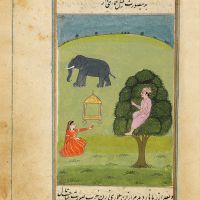
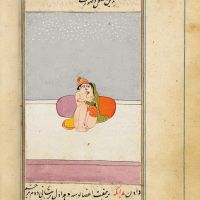
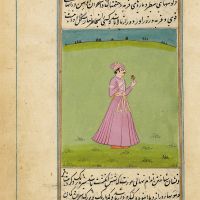
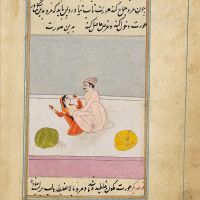
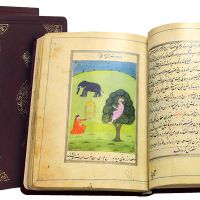
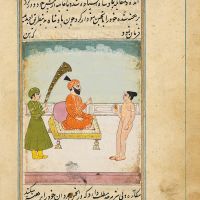
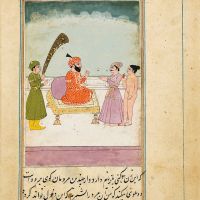
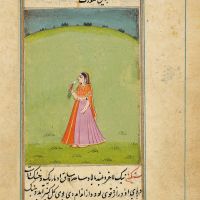
Lazzat al-nisâ (The pleasure of women)

Bibliothèque nationale de France


CONTENTS
 
  • From the Editor to the Reader
 
  • Lazzat al-nisâ and Its Significance in the Erotic Literature of the Persianate World.
Hormoz Ebrahimnejad (University of Southampton)
 
  • Lazzat al-nisâ. Translation.
Willem Floor (Independent Scholar), Hasan Javadi (University of California, Berkeley) and Hormoz Ebrahimnejad (University of Southampton)


ISBN : 978-84-16509-20-1

Commentary volume available in English, French or Spanish.

Lazzat al-nisâ (The pleasure of women) Bibliothèque nationale de France


Descripcion

Description

Lazzat al-nisâ (The pleasure of women)

Bibliothèque nationale de France


In Muslim India numerous treatises were written on sexology. Many of them included prescriptions concerning problems dealing with virility or, more precisely, with masculine sexual arousal. The Sanskrit text which is considered the primary source for all Persian translations is known as the Koka Shastra (or Ratirahasya) —derived from its author’s name, Pandit Kokkoka—, a title that was later given to all treatises in the genre. The Koka Shastra by Kokkoka was probably not the only such text known to Muslim authors.

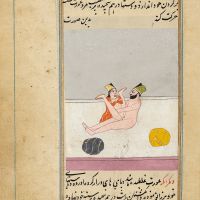
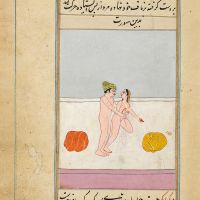
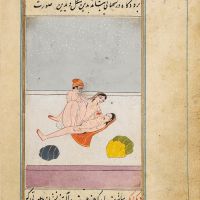
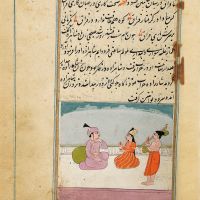
The Lazzat al-nisâ is a Persian translation of the Koka Shastra, which contains descriptions of the four different types of women and indicates the days and hours of the day in which each type is more prone to love. The author quotes all the different works he has consulted, which have not survived to this day.


If you meant something else (e.g., a book with a similar title, or a translation request), please clarify and I will gladly help further.

Heleer represents a "third way" of love, distinct from the passionate romance often associated with Western notions of love (Eros) and the familial or familial love (Agape). This third way is not about sacrificing one's individuality or desires, but about cultivating a deeper connection with another person. Heleer acknowledges that love is not always easy or exciting, but rather a choice to commit to another person and build a life together.

In that moment, Tumen Ekh understood the Third Way of Love. It was not about conquest or submission, but about becoming one with the universe, and with each other. It was about transcending the boundaries of self and other, like the threads of a Heleer merging into a seamless fabric.

The Third Way of Love, as embodied in Mongol Heleer, has often been misunderstood or overlooked, both within and outside of Mongolian culture. Some of the challenges facing Heleer practitioners include:

In the vast expanse of the Mongolian steppes, there existed a mystical approach to love, known as Mongol Heleer. It was a path that defied the conventional boundaries of romance, a third way that wove together the threads of spiritual connection, platonic affection, and sensual desire.

A beautiful, independent lawyer who tries to remain rational Lin Qizheng Song Seung-heon A lonely CEO bound by family duty and business expectations
Cookie preferences

We use our own and third-party cookies to improve our services by analyzing your browsing habits. For more information, you can read our cookie policy. You can accept all cookies, configure them, or reject their use by clicking one of the buttons below.