: Antony began by ensuring his system was updated with the latest drivers, especially for his audio interface. He checked Steinberg's website for any specific requirements or recommendations for Cubase 5.1.2 on Windows 7.
On modern systems (even Windows 7 with no antivirus), these are :
He didn't just have a DAW; he had his time machine. And for the first time in years, the only thing left to do was play.
For Windows 7 diehards, Cubase 5.1.2 can still be a valid offline production environment — just never connect that machine to the internet.
: Antony began by ensuring his system was updated with the latest drivers, especially for his audio interface. He checked Steinberg's website for any specific requirements or recommendations for Cubase 5.1.2 on Windows 7.
On modern systems (even Windows 7 with no antivirus), these are :
He didn't just have a DAW; he had his time machine. And for the first time in years, the only thing left to do was play.
For Windows 7 diehards, Cubase 5.1.2 can still be a valid offline production environment — just never connect that machine to the internet.
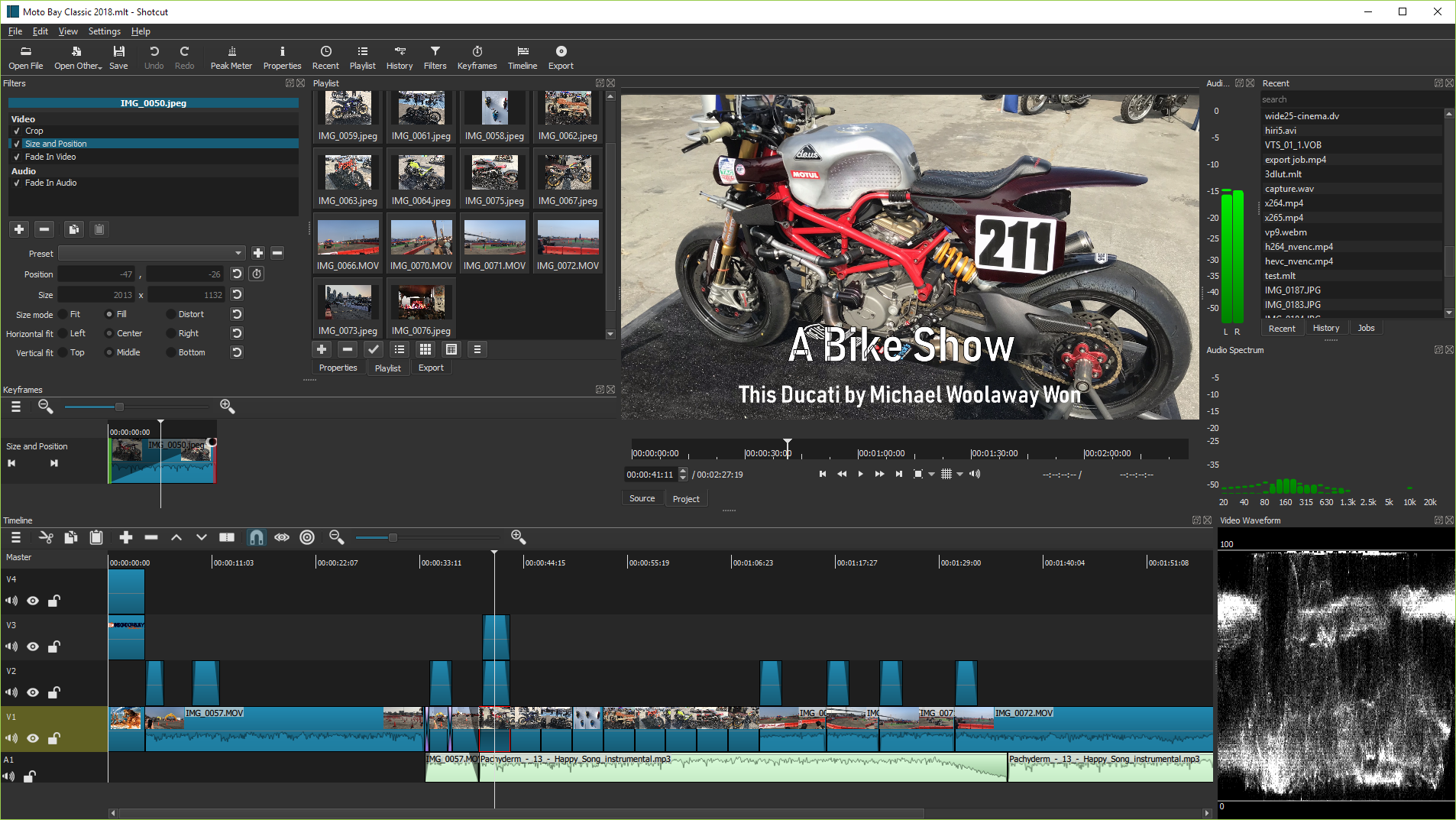
Shotcut was originally conceived in November, 2004 by Charlie Yates, an MLT co-founder and the original lead developer (see the original website). The current version of Shotcut is a complete rewrite by Dan Dennedy, another MLT co-founder and its current lead. Dan wanted to create a new editor based on MLT and he chose to reuse the Shotcut name since he liked it so much. He wanted to make something to exercise the new cross-platform capabilities of MLT especially in conjunction with the WebVfx and Movit plugins.
Lead Developer of Shotcut and MLT