Figure: New Uplink Types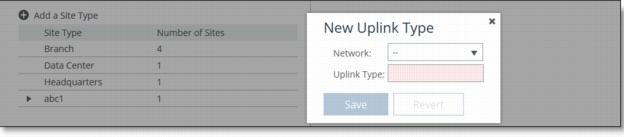
Education in Malaysia is constitutionally a tool for nation-building. Since independence in 1957, the government has used schools to foster a shared "Malaysian" identity while accommodating the country’s pluralistic population. The education system follows a model of (primary, secondary, post-secondary), with a heavy emphasis on high-stakes examinations, moral education, and extracurricular activities. This paper explores how these elements manifest in the daily life of Malaysian students and evaluates the system's successes and ongoing debates.
Malaysian education successfully delivers basic literacy and numeracy to over 95% of its children. Its multi-stream system preserves linguistic heritage but complicates national integration. Daily school life is characterized by regimented schedules, high-stakes exams, and rich co-curricular activity. However, urban-rural disparities, vernacular school controversies, and mental health crises demand urgent reform. For Malaysia to compete globally, future policies must reduce exam-centric stress, equalize resources, and foster a genuine sense of shared belonging—without erasing the cultural diversity that defines the nation. Budak Sekolah Tunjuk Burit
: English is a compulsory second language, often used as a bridge between students of different backgrounds. Education in Malaysia is constitutionally a tool for
Wednesday afternoons are usually dedicated to "Koku." Students must participate in at least one club (e.g., Robotics, Drama), one uniform body (e.g., Scouts, Red Crescent), and one sport. This paper explores how these elements manifest in
School life in Malaysia is a colorful blend of rigorous academic standards and a unique multicultural experience. From the early morning assembly to the diverse snacks found in the school canteen, 0;16;
: Under Section 233, sharing obscene or offensive content with the intent to annoy or harass others is illegal. Violators can face fines of up to , one year in prison, or both. Child Act 2001
Optional Form 6 for the STPM (equivalent to A-Levels), or matriculation and foundation programs.